 X-Tag
Tactical lasertag. Your own replica.
A tactical lasertag system for airsoft replicas: the kit fires an infrared beam instead of BBs.
How the system fits together
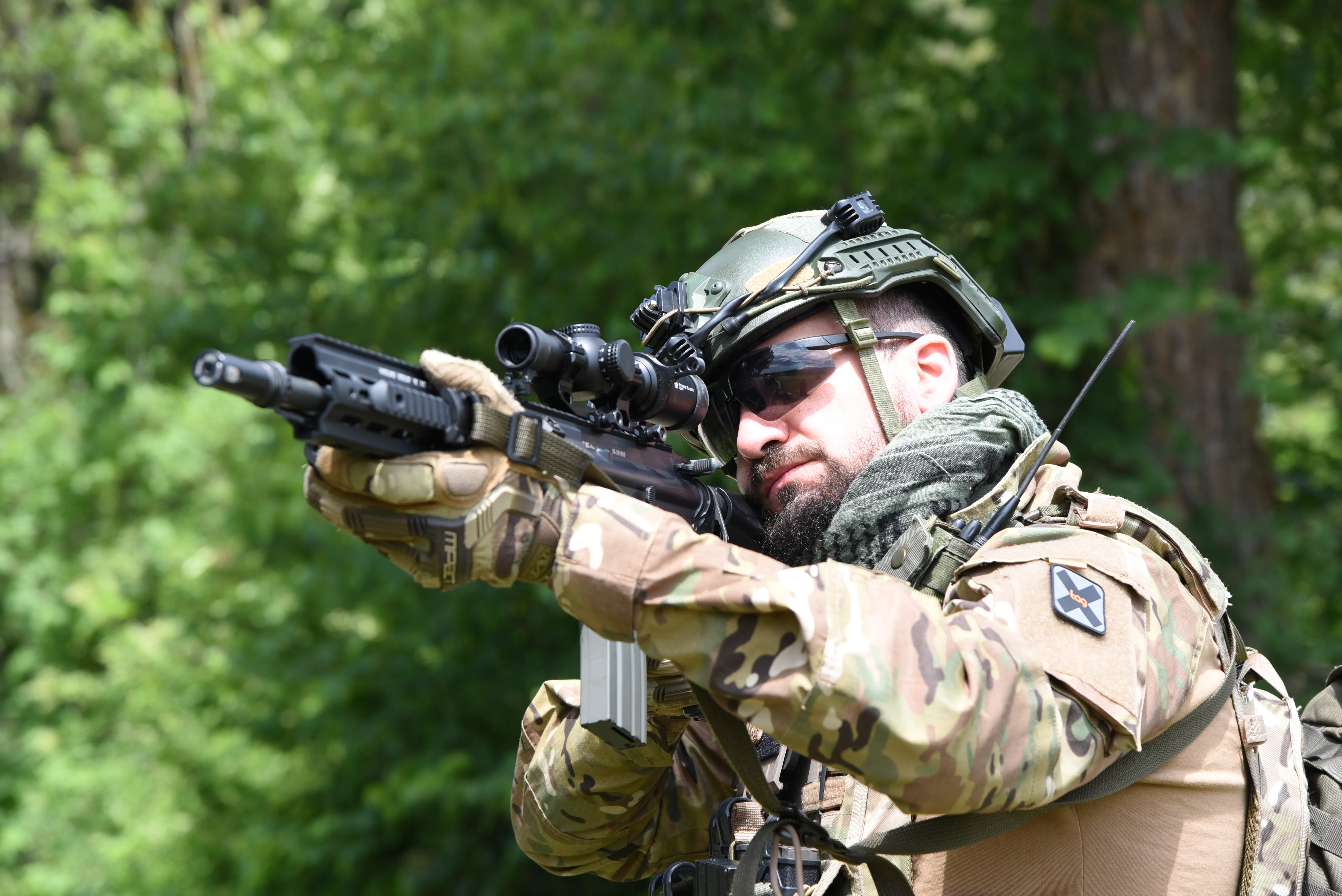
At the center is the headset, the unit with the sensors worn on the helmet: it keeps count of your health, plays the game sounds and knows whether you are in the game. The weapon kit sits inside the replica, or in an external module on the rail, and fires the infrared beam. They pair once with an infrared shot, then talk by radio during the game, like the accessories; the phone connects by Bluetooth. With EchoOne the game also goes online, and the organizer follows it live.
- Link up to five devices, weapons and accessories, to the same headset
- Equip several replicas and choose which to carry for each mission
- Play with just the headset, no weapon, as a VIP or a hostage
The phone is optional: a headset and a replica are all you need to play.
What happens when you shoot
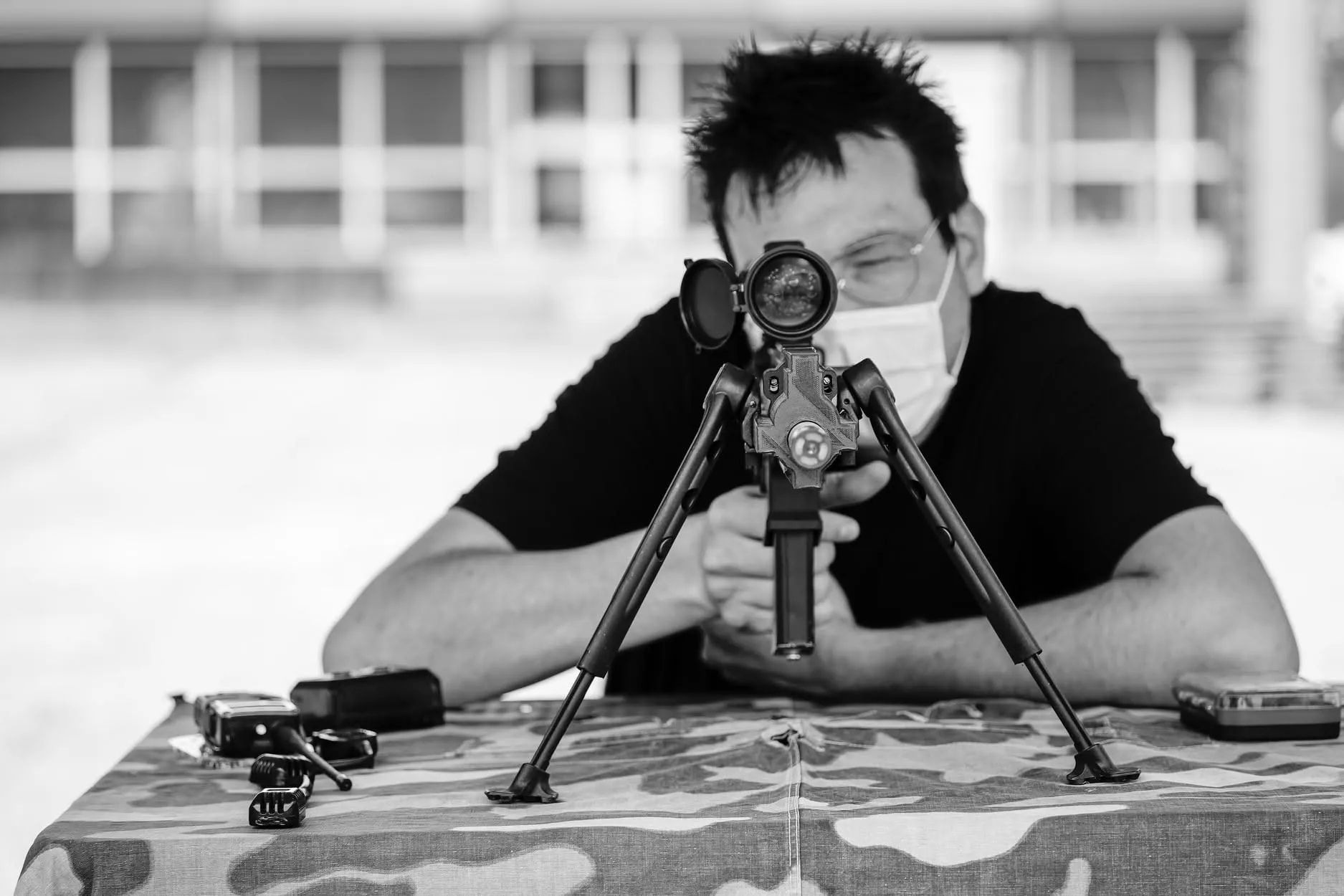
When you pull the trigger, the X-Fire emitter sends out an invisible infrared beam: a Class 1 laser, safe for the eyes. No BBs. If the beam reaches an opponent’s sensor, their headset registers the hit. Each configuration has its own range and beam width: narrow and long for the sniper, wide and short for the pistol. The guaranteed range applies in full sun, the worst condition; the replica’s zeroing matters too.
What happens when you are hit
The headset keeps count of your health. Each hit takes points off according to the calibre of the weapon that hit you. If you have armour plates, each hit uses one up and arrives reduced. There are critical hits, which do more damage, and wounds that bleed until someone heals you. The headset warns you with sounds and lights, and registers hits even while your own weapon is firing.
Example: 100 health, 3 plates, 34-point hits. You are eliminated on the 5th hit; without plates on the 3rd.
Grenades and mines: the radio bubble
Grenades, claymores and TNT send no infrared. When they go off they send a radio signal, and every headset that picks it up is hit: there is a bubble around the blast. Nobody has to see you: radio goes through grass and bushes. A wall slows it down, and how much depends on the wall and the blast: a CQB usually does not leave the room, while against a stronger grenade plasterboard may not be enough. The bubble takes everyone inside it, teammates and the thrower included, even with friendly fire off. There is no arguing about who was in range: the headset decides.
HitOutside the bubbleThe figures with no label are opponents.
The distances are approximate and apply outdoors. They change with the surroundings: radio goes through grass and bushes, while walls, earth banks and vehicles hold it back.
App and EchoOne
With the X-TaG Link app for Android you link the headset to your phone: you see health and ammunition and follow the game on the map. EchoOne is the web platform the organizer uses to set up the scenario and follow it live: zones on the map, objectives and simulated support such as mortars, artillery, air support, supply drops and reconnaissance drones. Effects are worked out from the scenario settings, including shot dispersion and wind. Each team and the platoon leader have a code that unlocks the functions they are allowed to use.
From a browser the organizer draws the game on the EchoOne map: the base to respawn at, a healing zone, a damage zone, the objective.
Every phone sends its player's position. The organizer sees everyone; on your phone you see your teammates, not the opponents.
The phone notices by GPS that you entered a zone and sends the effect to the headset over Bluetooth: here healing, and your health goes back up.
The squad leader puts the crosshair on a map square and calls the mortar. The rounds land spread out and pushed by the wind, and whoever is underneath is hit: their own side too.
Further details:
Go to How it worksWoodland, open ground or buildings
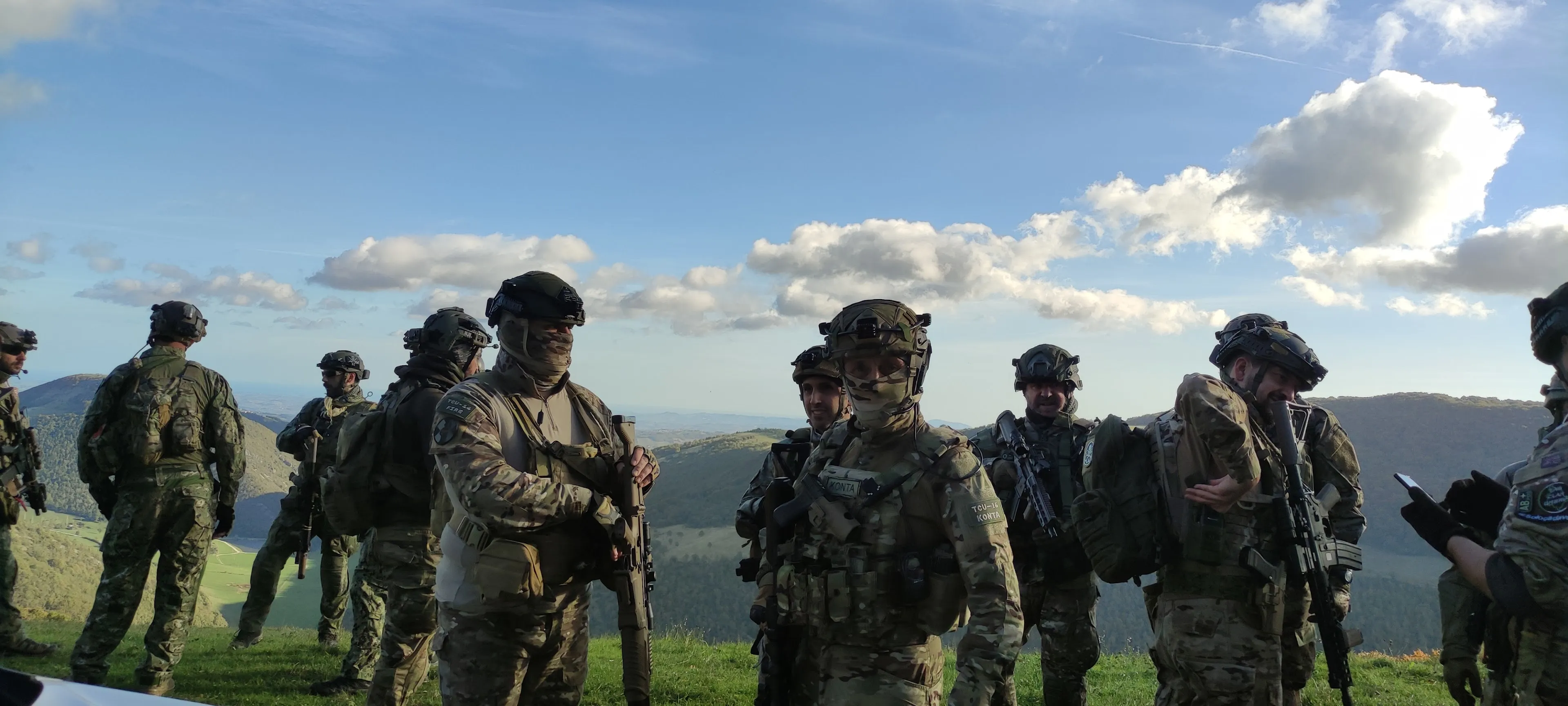
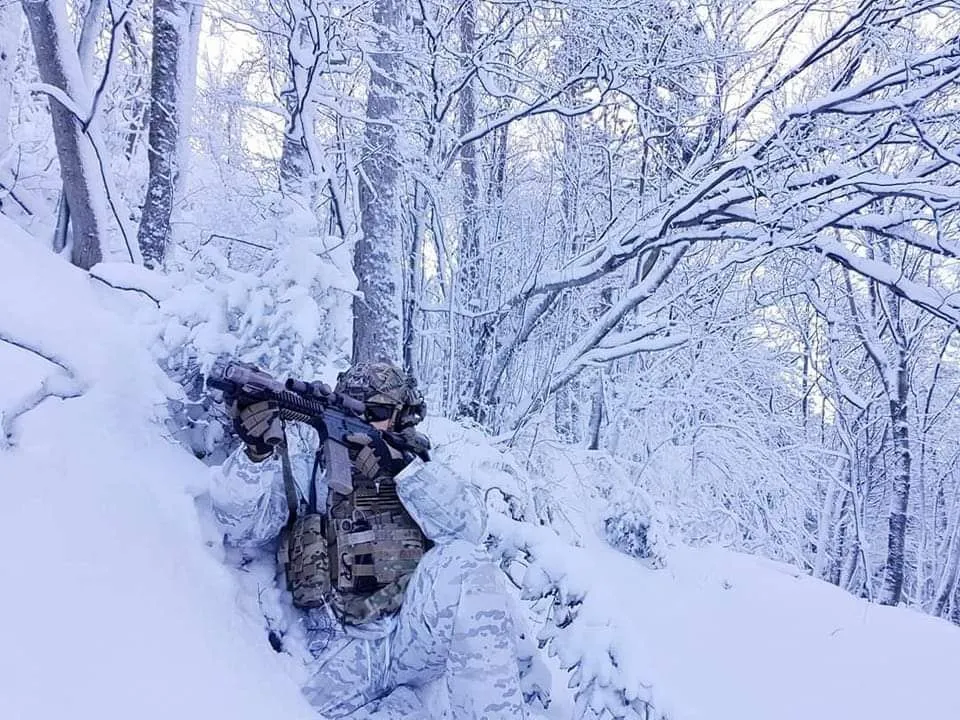
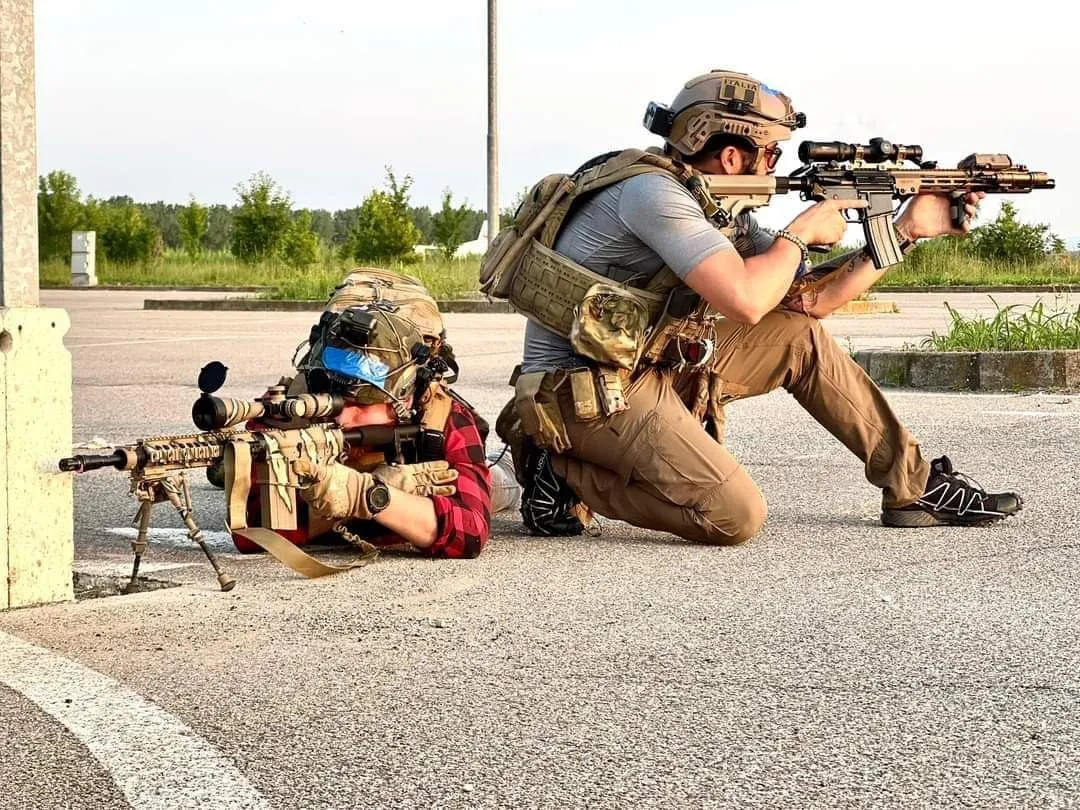
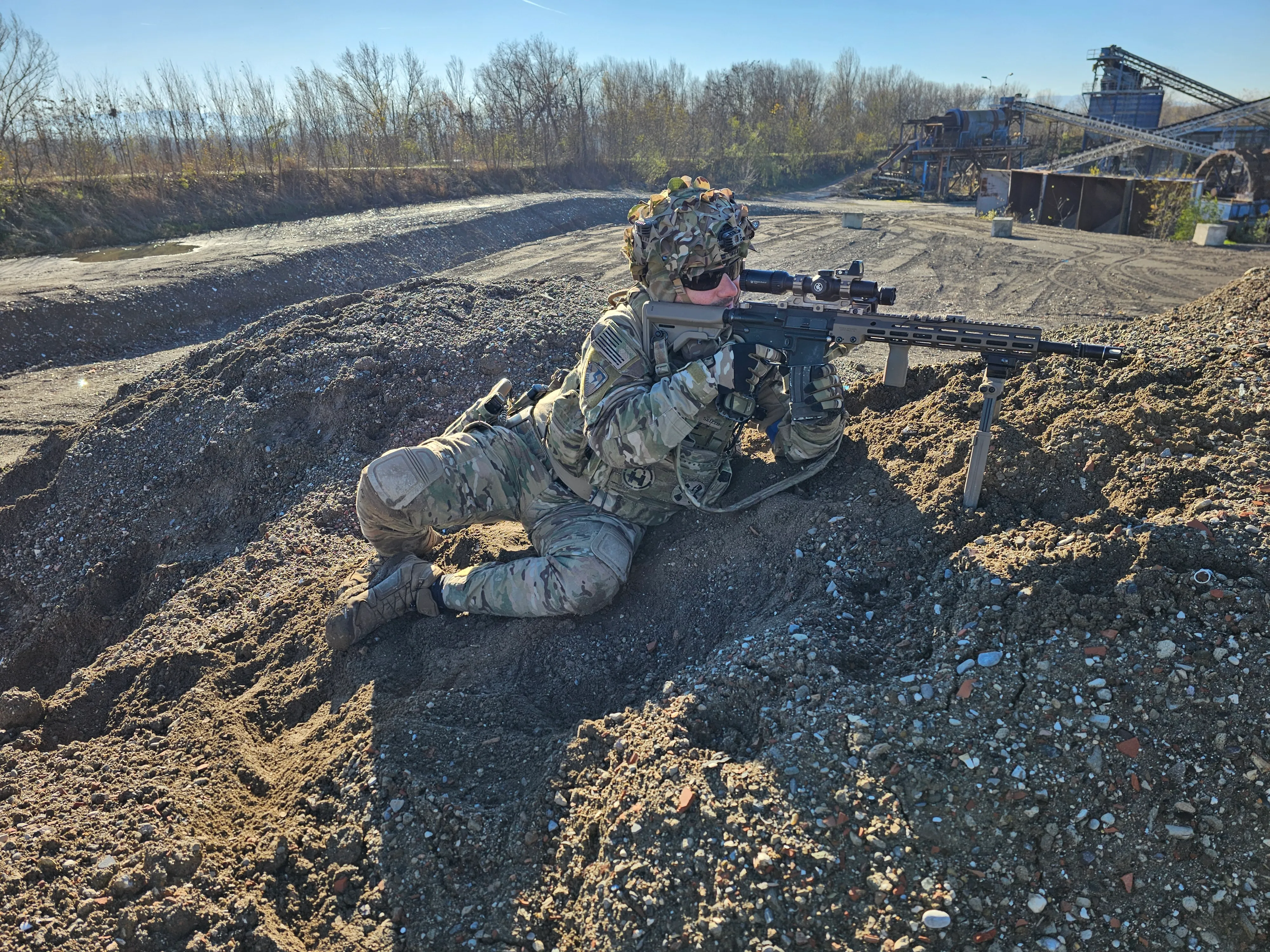
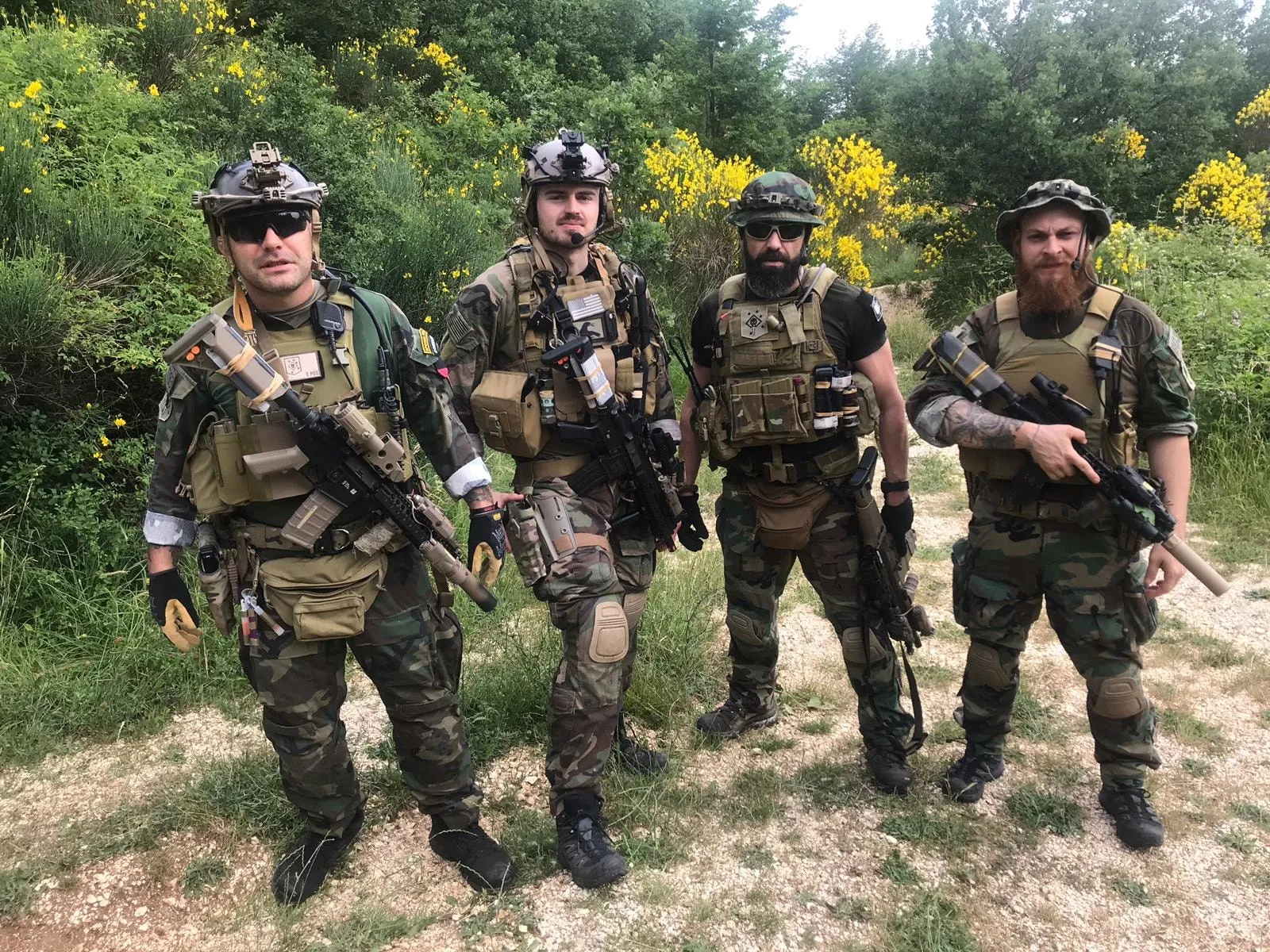
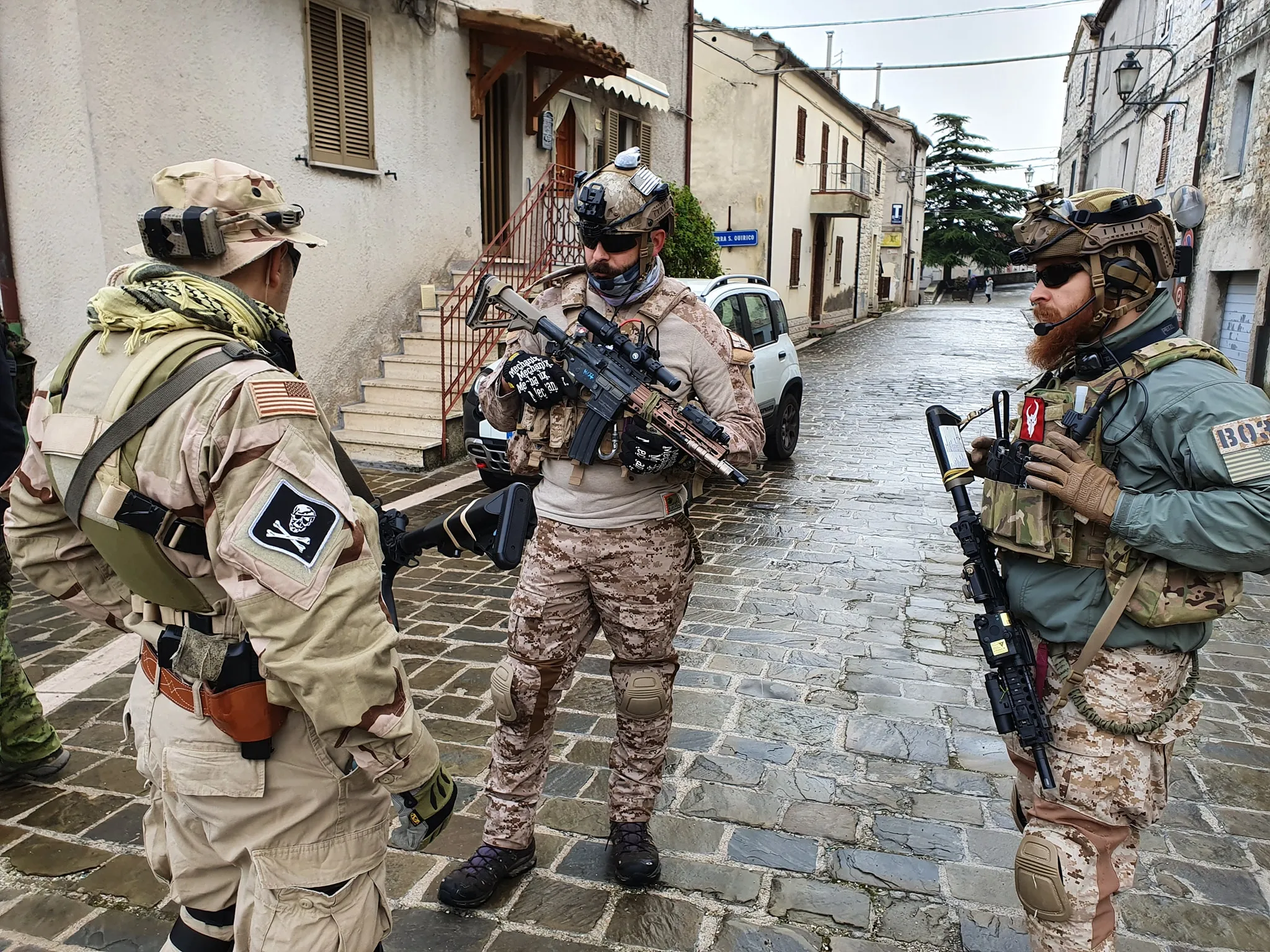
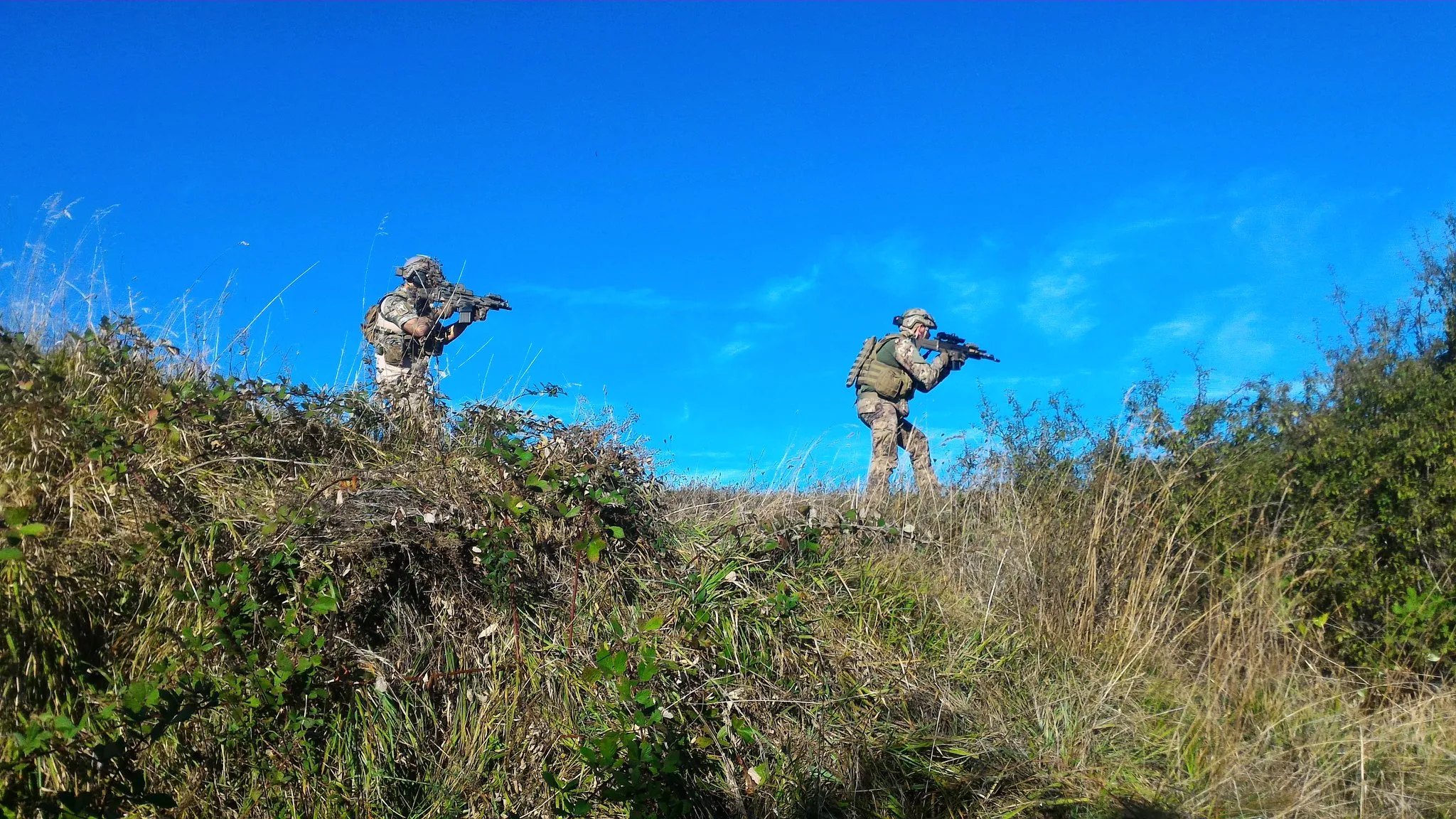
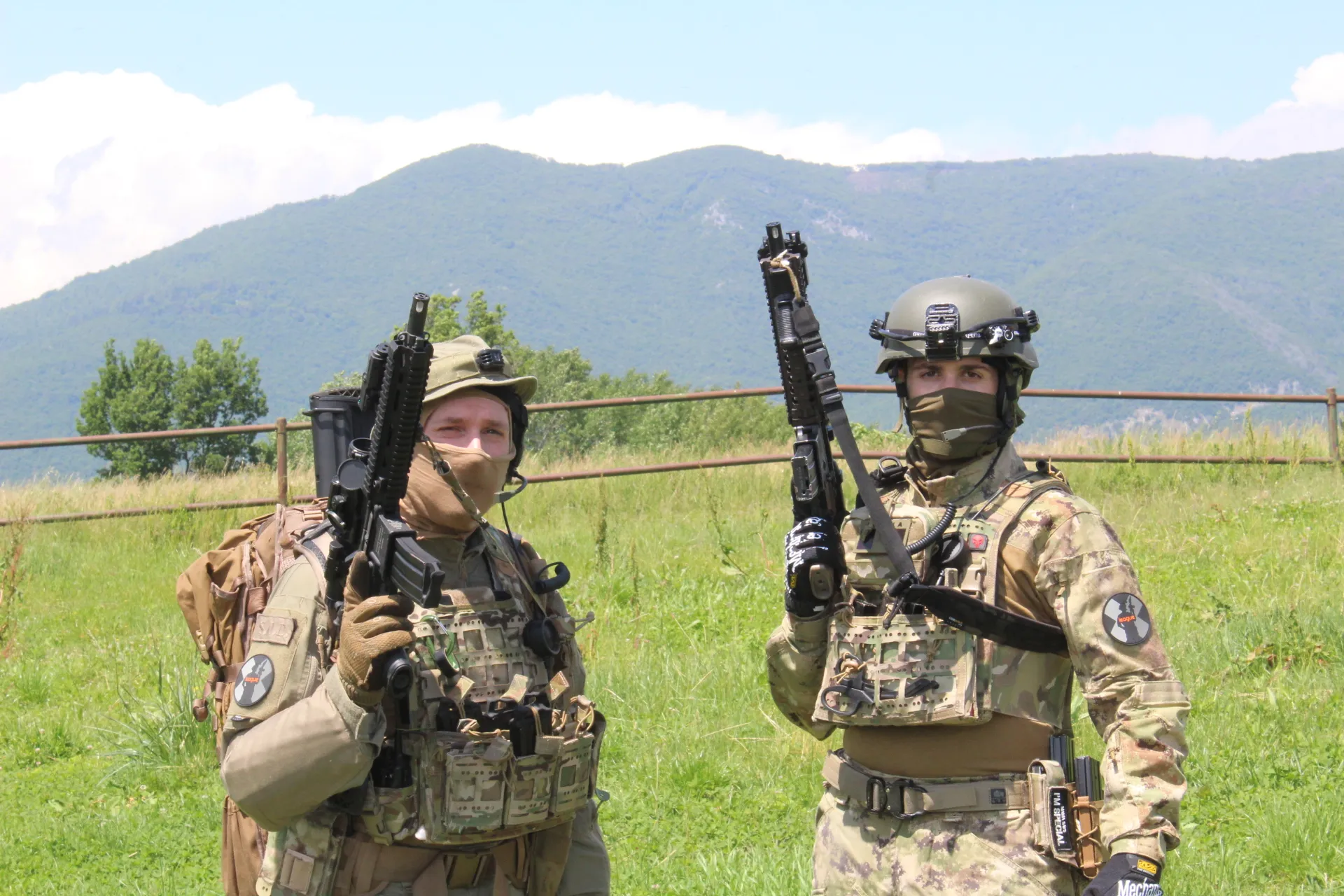
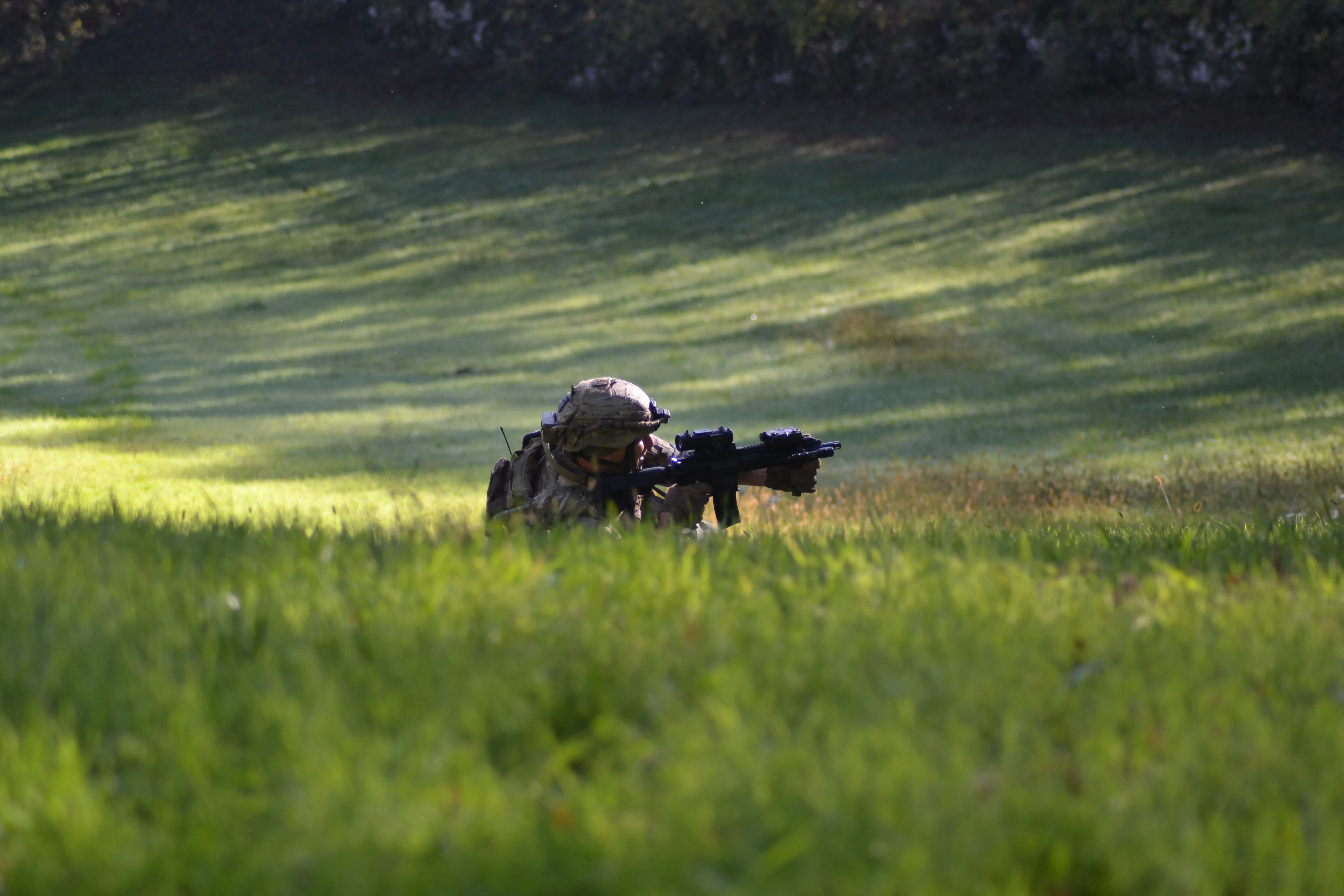
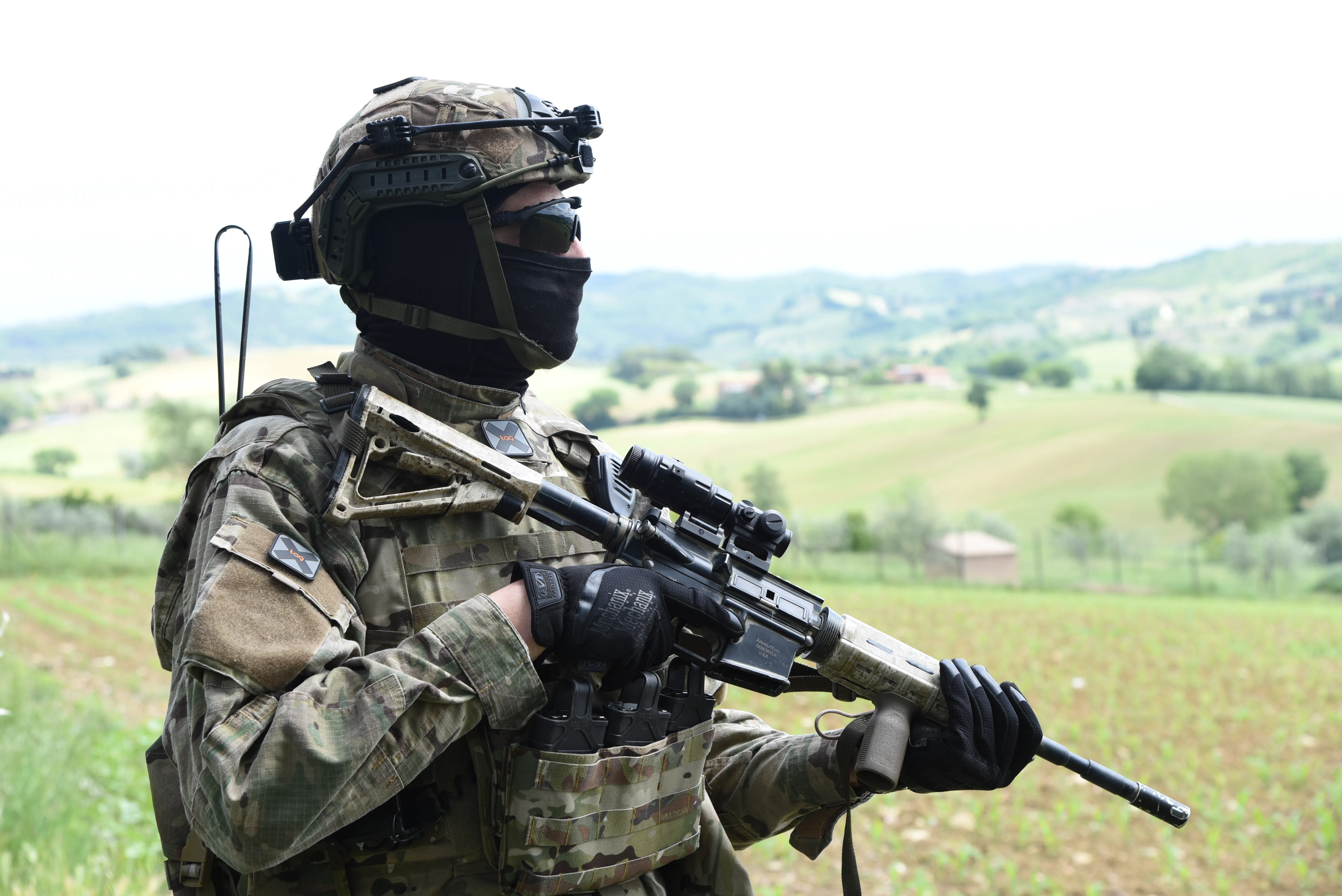
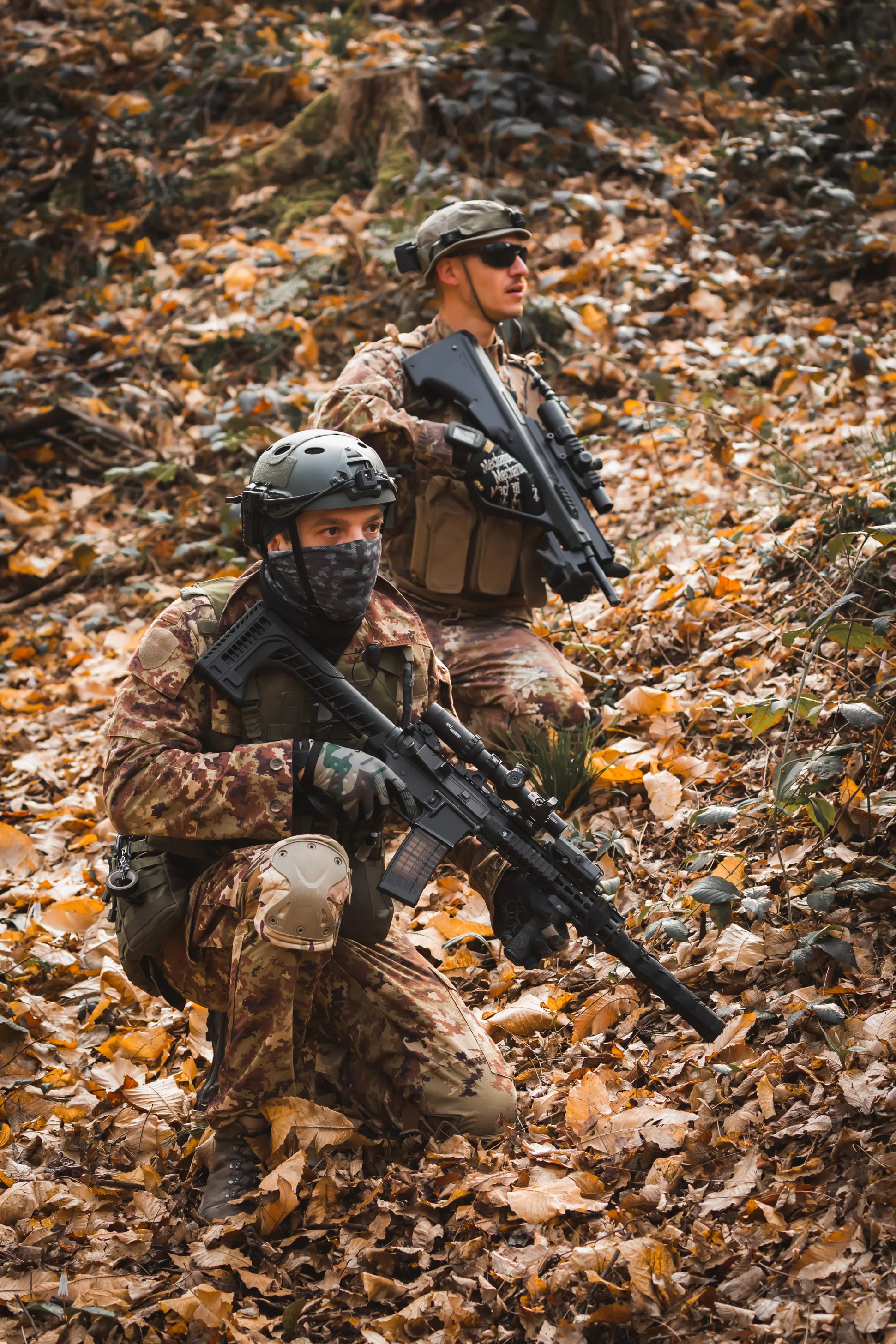
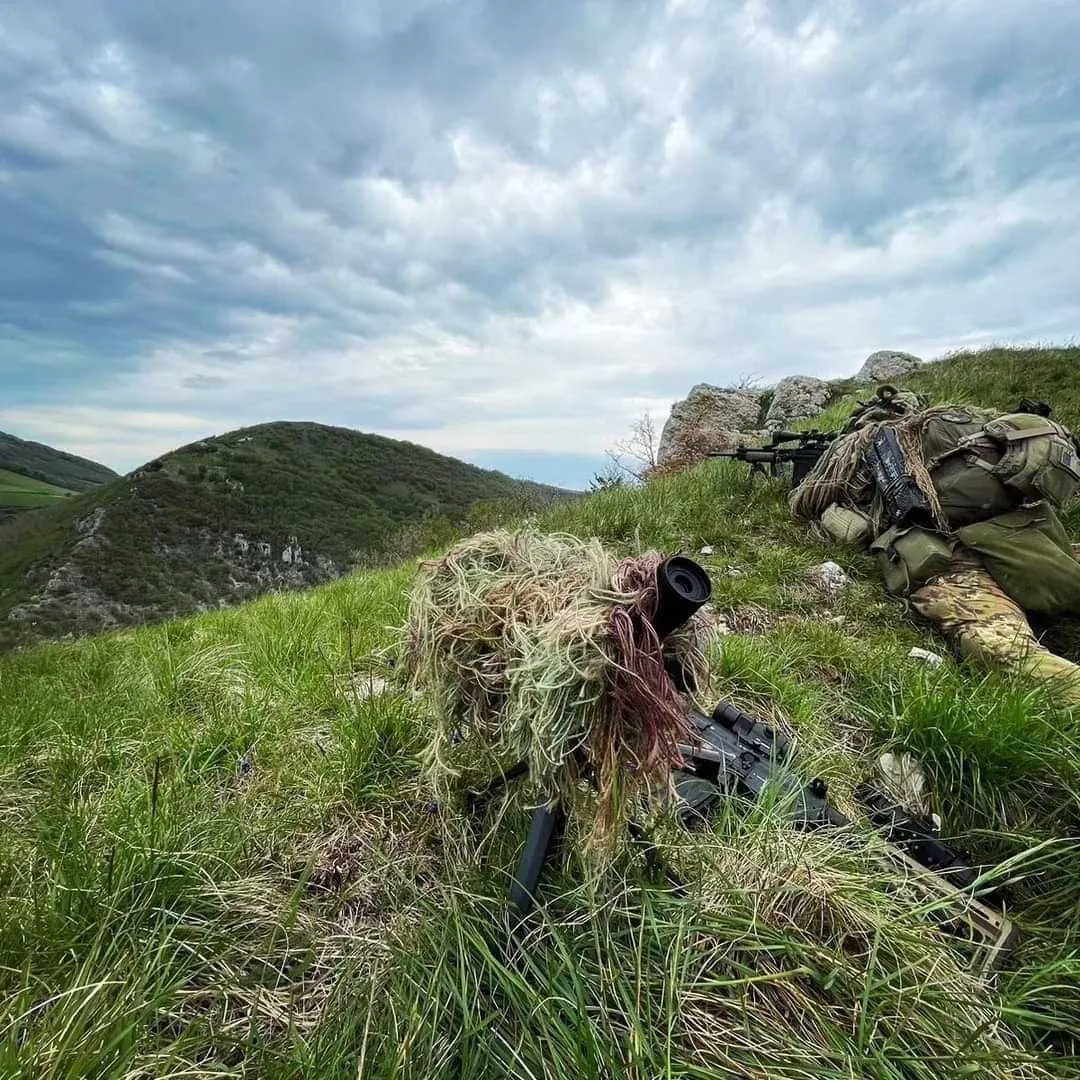
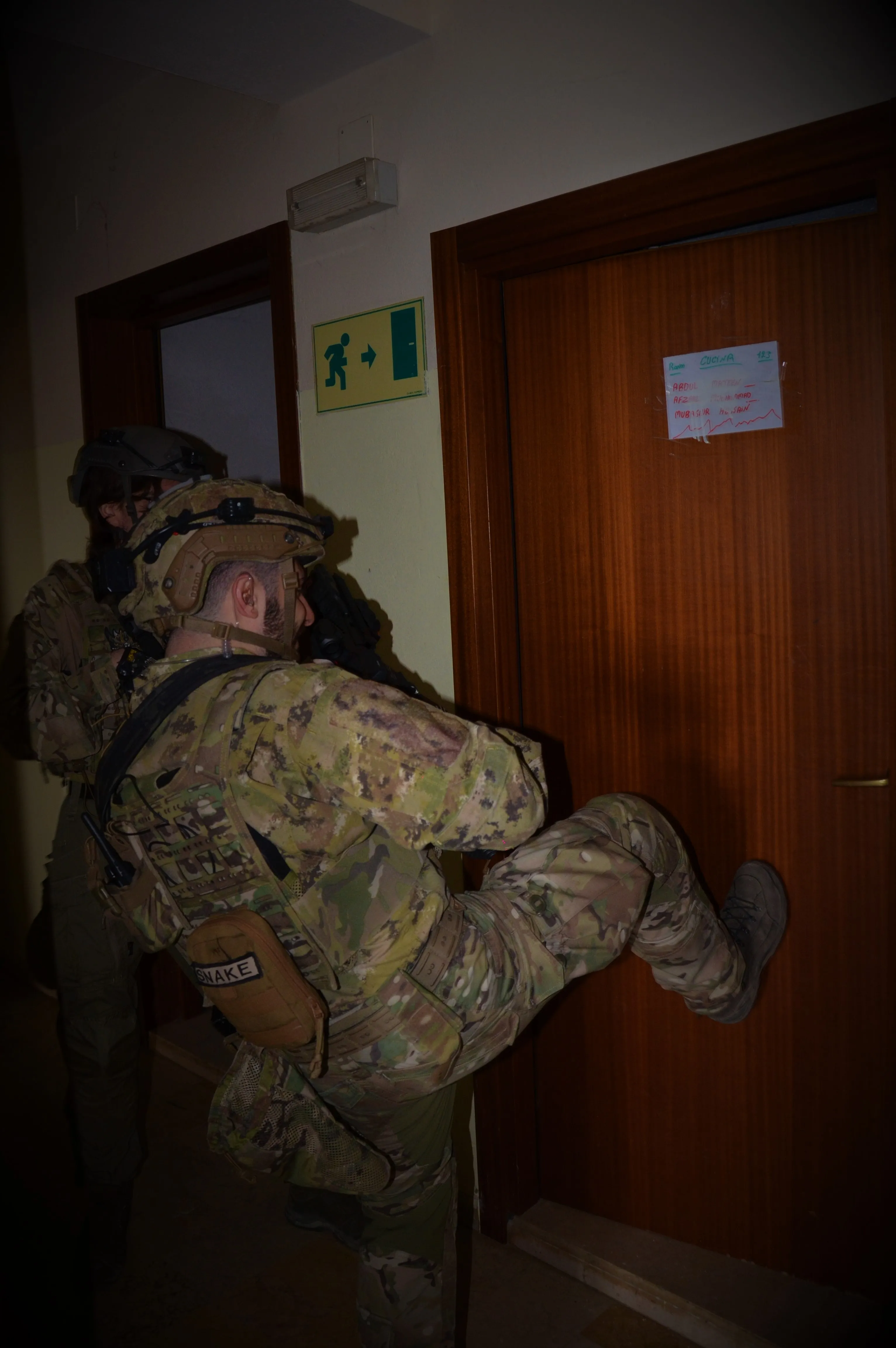
With X-Tag you play with the gear you already use. The kit on your weapon works with the headset, which registers the hits you take and knows whether you are still in the game. Each replica has its own shooting configuration, from a sidearm to a sniper rifle. You play at real distances, with cover and teamwork.
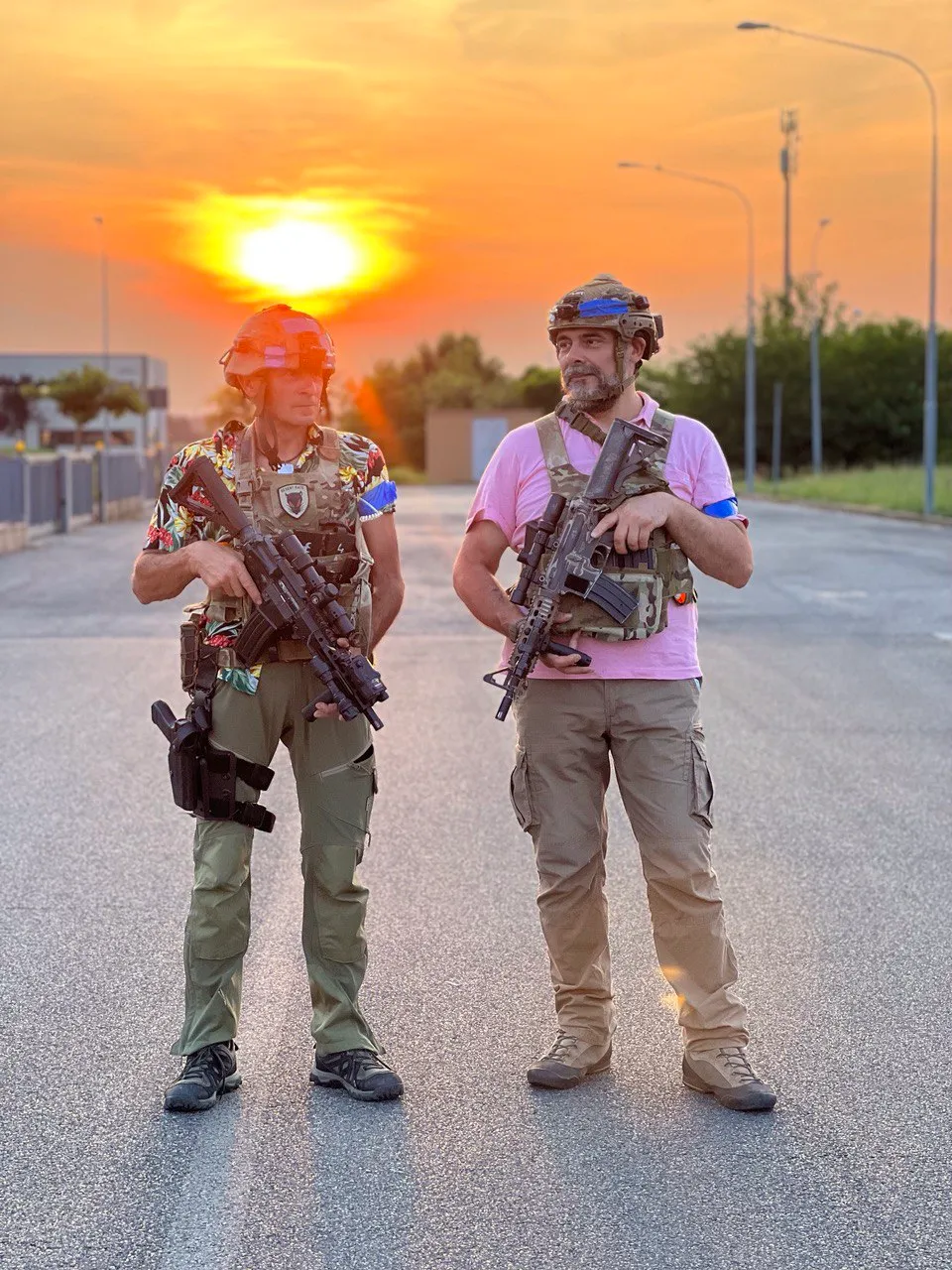
Ammunition, cover and reload times matter
Simulated damage depends on the calibre set for the replica, and there are critical hits and bleeding. If you turn them on in the configuration, weapons overheat, jam and climb in long bursts, so some of the shots miss.
Grenades, mines and medkits make for more varied missions. Whoever plays the VIP or the hostage just wears the headset, with no weapon.
To get started you need three things
A headset
The unit with the sensors, worn on the helmet: it keeps count of your health, plays the game sounds and knows whether you are in the game.
See the products →A replica fitted with the weapon kit
The kit fits electric, gas and spring-powered replicas, and inert replicas with no firing mechanism too. We choose it with you, based on your model and your role in the team.
Send us make and model →A group to play with
The club map shows who plays near you and how to ask for a trial.
See the club map →
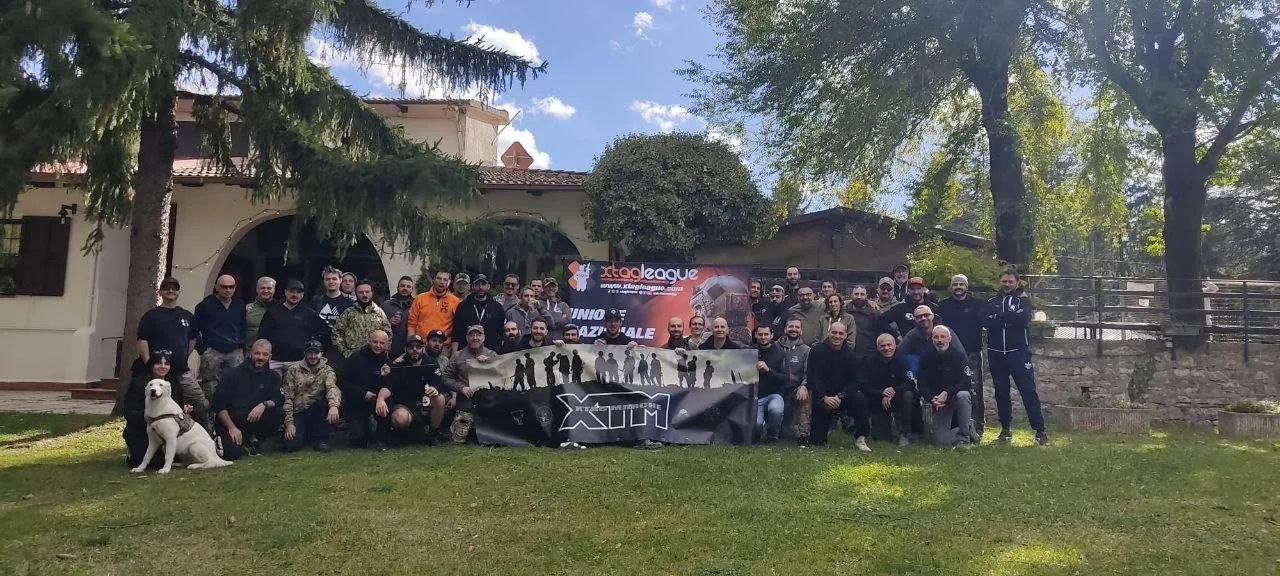
More than 40 clubs across Italy
Looking for a team? Visit and contact the X-TaG League: shared technical rules, tournaments and events.
Developed and assembled in Italy
We design the electronics and software ourselves, and we assemble the devices in Italy.
Firenze
Verona
- All You Can Hit
- Brigata Bengasi
- Raiders
Viterbo
Chioggia
Massa
Forlì
Lucca
Ferrara
Vicenza
Modena
Nettuno
Monza/Brianza
Piacenza
Umbria
Romagna
- Team Romagna
Treviso
Pisa
Piemonte
- X-Force
Alba
Marche
- XTM
Taranto
Genova
Map: @svg-maps/italy (CC BY 4.0)